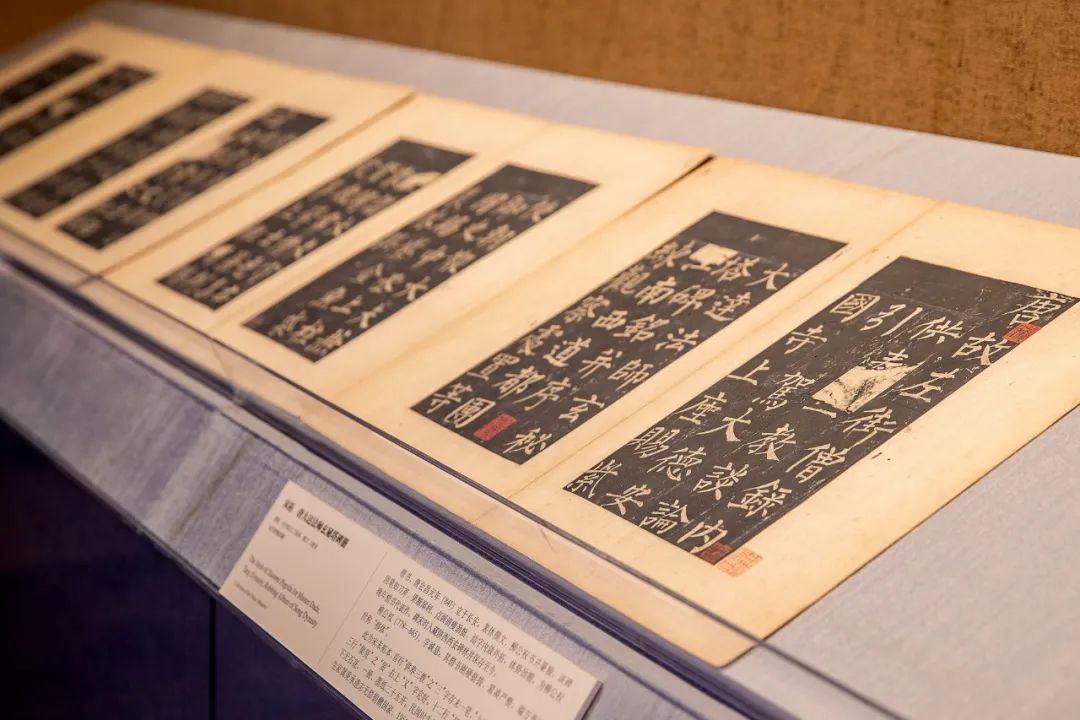
Liu Gongquan
Introduction
Liu Gongquan, a prominent figure in the realm of Chinese calligraphy, is renowned for his significant contributions to this revered art form during the Tang Dynasty (618-907). Calligraphy, a defining aspect of traditional Chinese culture, is more than just an art; it is a spiritual and intellectual pursuit that has captivated the minds of Chinese scholars and artists for centuries. In the rich tapestry of Chinese calligraphy, Liu Gongquan stands out as one of the most influential and celebrated calligraphers, whose works continue to inspire and influence calligraphers worldwide. His mastery in the craft and dedication to perfection have left an indelible mark in the history of Chinese art and culture.
Early Life and Career
Liu Gongquan was born in 778, during the Tang Dynasty, which is often considered a golden era for Chinese calligraphy. Little is known about his early life, but it is clear that he belonged to a family appreciative of the arts, which provided him with the foundational skills and inspiration to pursue calligraphy. The Tang Dynasty was a period of cultural renaissance, and calligraphy was regarded as an essential part of education and an indicator of one's intellectual and moral stature. Liu Gongquan's early immersion in this environment played a pivotal role in shaping his career as a calligrapher.
Liu Gongquan entered the officialdom and held various government posts throughout his career. His political career, however, did not overshadow his passion for calligraphy. Instead, it provided him with opportunities to refine his skills and gain recognition among his contemporaries. During his lifetime, Liu Gongquan worked in close association with other eminent calligraphers of his time, forming a cohort that defined the calligraphic style of the Tang Dynasty. His works were highly regarded by both emperors and the scholarly elite, further cementing his status as a master calligrapher.
Calligraphy Style
Liu Gongquan's calligraphy style is characterized by its boldness, clarity, and structural integrity. He is best known for his regular script, which is often described as being powerful yet elegant. His strokes are meticulously executed, demonstrating a perfect balance between strength and fluidity. Liu Gongquan's style reflects the rigorous training and disciplined approach he applied to his craft, and his works are often considered benchmarks for aspiring calligraphers to emulate.
The regular script, or kaishu, is one of the most widely used styles in Chinese calligraphy, and Liu Gongquan's contributions to its development were monumental. His works in this script showcase a deep understanding of the form and structure of characters, which allows for both readability and aesthetic beauty. Liu Gongquan's calligraphy is not only a reflection of his technical prowess but also an expression of his inner thoughts and emotions, making it a unique combination of art and individuality.
Major Works
Liu Gongquan's calligraphic pieces are numerous, but several have stood the test of time as exemplary representations of his skill and artistry. His major works are celebrated for their precision, artistic value, and the profound cultural and historical insights they provide into the Tang Dynasty.
Calligraphy Masterpieces
Among Liu Gongquan's most famous works is the "Xuanmi Pagoda Stele", which exemplifies his masterful command of the regular script. This stele is a testament to Liu's meticulous attention to detail and his ability to convey a sense of grandeur through his writing. The balance and harmony in the composition of each character reflect his profound understanding of the art form.
Another notable work is the "Monument to the Great General Pei Xiu", which has been revered as a model for later generations of calligraphers. This work showcases Liu Gongquan's ability to imbue characters with a sense of rhythm and movement, making the text both visually striking and intellectually stimulating. His calligraphy on this monument illustrates his knack for maintaining structural integrity while achieving artistic expression.
Literary Contributions
In addition to his contributions to calligraphy, Liu Gongquan was also a respected scholar and poet. His literary works, though not as well-documented as his calligraphy, reflect the wisdom and introspection of a man who dedicated his life to the pursuit of art and knowledge. Liu Gongquan's writings often explore themes of morality, philosophy, and the human condition, offering readers a glimpse into the contemplative mind of this esteemed Tang Dynasty figure.
Legacy
The legacy of Liu Gongquan is felt not only in the realm of calligraphy but also in the broader context of Chinese culture and arts. His influence extends far beyond his lifetime, inspiring countless calligraphers and scholars who have sought to emulate his style and approach. Liu Gongquan's works continue to be studied and revered, serving as a testament to the enduring power and beauty of Chinese calligraphy.
Influence on Later Calligraphers
Liu Gongquan's impact on later generations of calligraphers is immense. His unique style and dedication to the craft set a benchmark for artistic excellence that many have strived to replicate. Calligraphers such as Yan Zhenqing and Zhao Mengfu were influenced by Liu's work, incorporating elements of his style into their own practices. His emphasis on structural integrity and expressive potential has become a cornerstone in the education of calligraphy students even to this day.








